Oil Tank Removal Cost in Maryland
No company publishes a Maryland oil tank figure, so this page does the useful half instead: what the money is actually buying, and which four things move it on a Baltimore job.
- No invented Baltimore range anywhere on this site
- The seven components a removal price is made of
- The Baltimore County permit fee is unpublished, and we say so
- What a quote should itemize, line by line
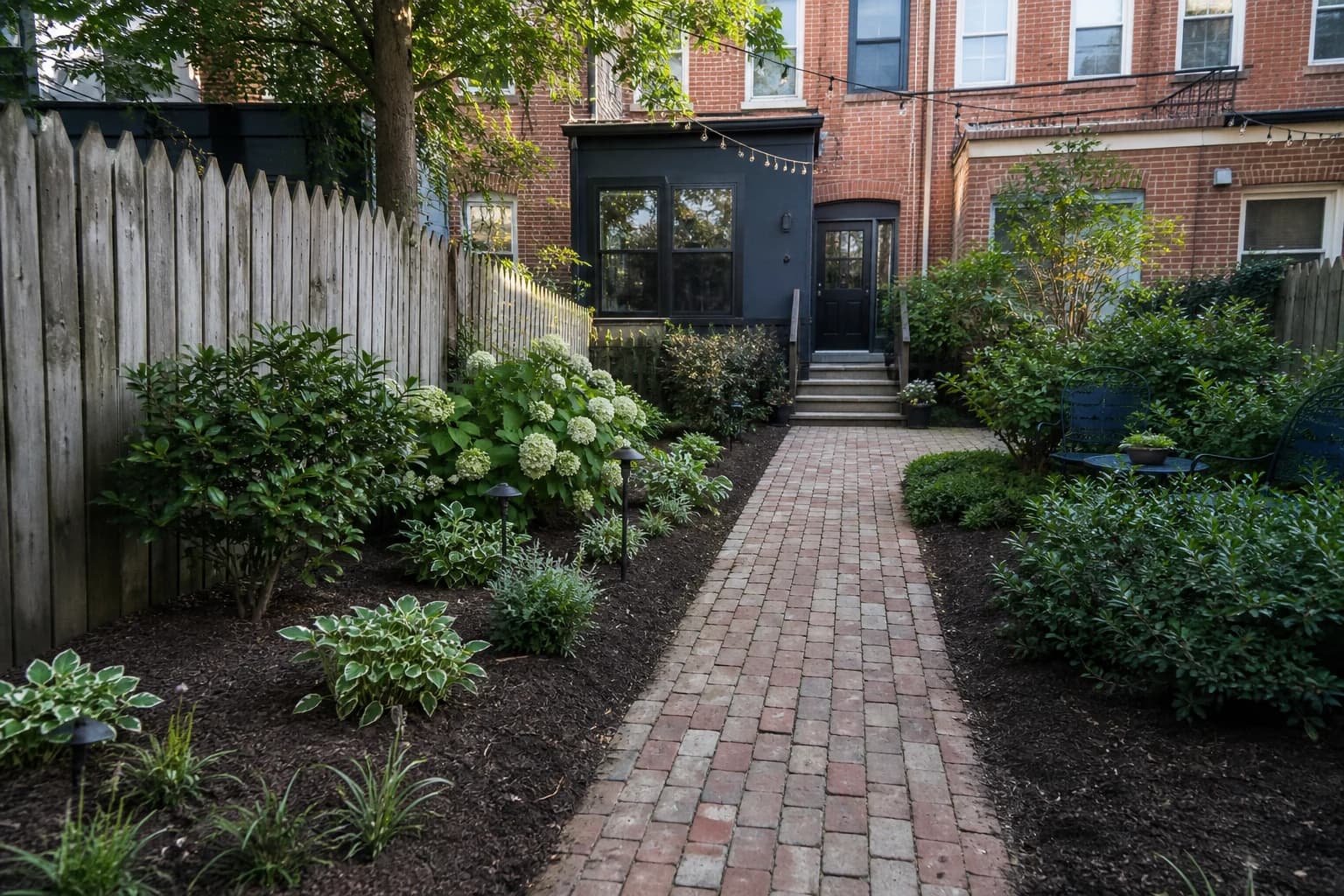
There is no partner behind this site yet, so there is no price here. A Baltimore range invented to fill the gap would be a number with a city name attached and nothing underneath it, and that is already most of what this market publishes.
What this page does instead is set out where the money goes on a Maryland job, which four things move it, and what a quote has to itemize before two of them can honestly be compared.
What a Baltimore Tank Removal Is Actually Paying For
Seven things, and they are separable. Pumping and disposing of the oil and sludge still in the tank. Breaking out whatever surface sits over it. The excavation and the machine time. Cutting the tank, rendering it unfit and disposing of it at a Department-approved location. Laboratory analysis on the soil samples. Clean fill and compaction. Putting the surface back.
Two quotes for the same tank can differ by a thousand dollars and both be honest, because one of them prices all seven and the other prices five and settles the rest later. A single headline figure hides which of the seven are inside it.
The notification to MDE is not a cost line, but it is a timing line and it belongs in the same conversation. The thirty day notice before an underground closure decides when work can start rather than what it comes to.
COMAR 26.10.10.02, read 22 August 2026. Facts F7 and F8.
The Four Things That Move a Maryland Removal Price
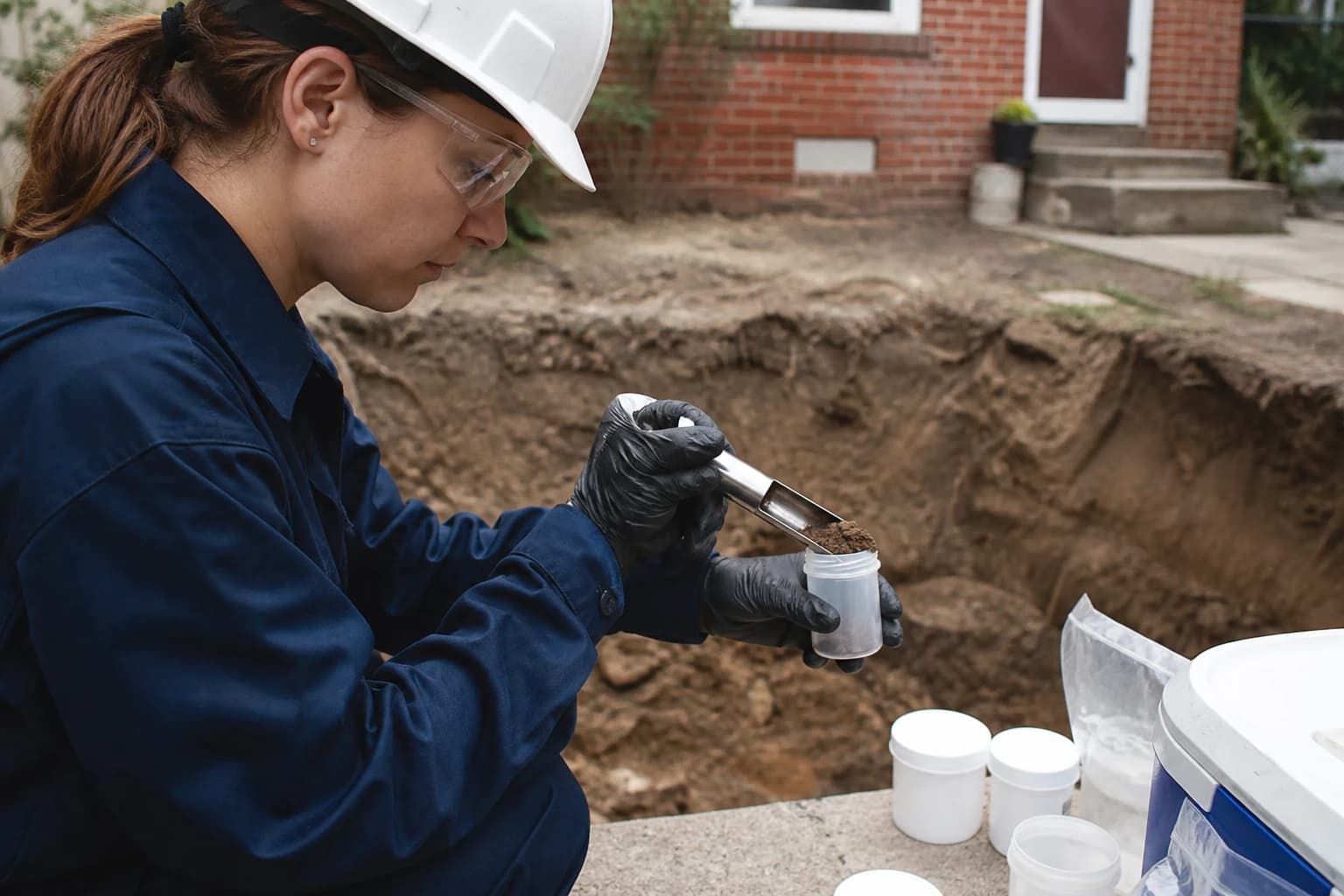
None of these are surprises to a contractor, and all four are things you can establish before anyone visits the property.
The Surface Sitting Over a Baltimore Tank
Grass is the cheap case. A brick patio, a poured pad, a driveway or a deck brings a demolition and a reinstatement with it, and on a Baltimore rowhouse lot putting a surface back so it looks deliberate is regularly the largest single line on the job.
Whether a Machine Can Reach It
A rear alley makes a Baltimore job ordinary. An interior lot reached only through the house makes it a hand-dig, and that is a different order of labor rather than a small surcharge.
Tank Size and What Is Still Inside
275 and 550 gallon tanks are the residential norm. Above 1,000 gallons the excavation, the lifting and the disposal all step up together. Residual oil and sludge come out and are disposed of regardless of how long the tank has stood idle.
Soil Results That Change the Scope
The one nobody can price in advance honestly. Clean soil closes the job. Impacted soil moves it into corrective action under COMAR 26.10.09 and contaminated soil handling under COMAR 26.10.13, which is a different scope entirely.
COMAR Title 26 Subtitle 10 chapter list, read 22 August 2026. Fact F18.
The Baltimore County Permit Fee Nobody Publishes
Baltimore County requires a permit for residential underground storage tank removal and sends an inspector to the job. It does not publish the fee anywhere we have been able to reach, and the County site refuses automated requests.
So the line stays empty here. Ground Water Management on 410-887-2762 holds the answer, and the question is worth putting to anyone quoting a county job: a quote that says permits included without naming the figure has absorbed an unknown on your behalf.
Baltimore City is a separate question and a more awkward one, because the City publishes permit categories for tank installation and for demolition but no removal-specific type. Both sit as open items on the sources page rather than being guessed at.
Baltimore County Ground Water Management and Baltimore City DHCD, read 22 August 2026. Facts F23 and F24. Open items U1 and U2.
Numbers This Page Leaves Blank
A Baltimore price range of our own, for the reason at the top of this page.
A per-city average. The pages carrying those refuse automated access, so there is no way to check what they say or when they last said it, and a figure repeated from a search summary is not a figure anyone has read.
A contamination cost. Published remediation ranges start in the low thousands and run past a hundred thousand, which is another way of saying nobody can price it until the hole is open and the laboratory has reported.
What a Maryland Quote Should Itemize
Ask for the seven components as separate lines rather than one number, because a single figure hides which of them has been left out.
The MDE notification and any county permit. Pumping and disposal of residual oil and sludge. Excavation and lifting. Cutting the tank and disposing of it at a Department-approved location, with evidence of where it went. Soil sampling and laboratory analysis, with the number of samples stated. Clean fill and compaction. Surface reinstatement, described specifically rather than as make good.
A quote that comes in well under the others almost always differs on the sampling line or the reinstatement line. Those are the two worth comparing directly, and the closure record at the end is what both of them are really buying.
Maryland Oil Tank Cost Questions
- How much does oil tank removal cost in Baltimore?
No figure appears on this site, because there is no partner behind it and an invented Baltimore range would be worse than no range at all. What this page gives you instead is the seven components a removal is paying for, so a quote can be read line by line.
- Why will nobody give a fixed price for a buried tank?
Because the soil under the tank cannot be assessed until the tank is out. Everything up to that point is quotable, and a good quote prices the removal firmly and says clearly what happens if the soil comes back impacted.
- What does the Baltimore County tank permit cost?
The County does not publish it in any source we can reach. Ground Water Management on 410-887-2762 holds the answer, and sending you there beats printing a guess.
- Is an aboveground tank cheaper to remove than a buried one?
Generally yes, because there is no excavation, no soil assessment and no surface to reinstate. The tank still has to be emptied, cleaned and taken off the property with its fill and vent pipes under COMAR 26.10.01.13, so it is a smaller job rather than a trivial one.
- Does Maryland help with the cost?
Not any more. The residential reimbursement window closed on 30 June 2024 under Environment Article 4-705(b)(2), and what the program used to pay is worth knowing mainly so you can date the advice you are reading.
- Should the closure record be a separate line on the quote?
It does not have to be priced separately, but it does have to be promised. Closure records sit under COMAR 26.10.10.05, and that record is what a buyer's attorney asks for years later.
Get a Figure for a Real Baltimore Property
A price on a page is a national average. Tell us the surface over the tank, the access to the back of the property and the county, and the conversation can be about your job rather than an average.
No phone number appears on this site because there is no line to answer it. Everything happens in writing, which also means you keep a copy of what was said.
Send Details of Your Property
Say where the tank sits and whether the address is inside Baltimore City or in Baltimore County. Those two answers decide the whole sequence, and we will set it out for you.